
Have you ever paused to admire the intricate veins of a leaf, listened intently to the melodious songs of birds, or wondered about the creatures scurrying beneath fallen logs? If so, you’ve already begun your journey as a naturalist. Simply put, a naturalist studies and observes the natural world, from the tiniest insects to the grandest landscapes.
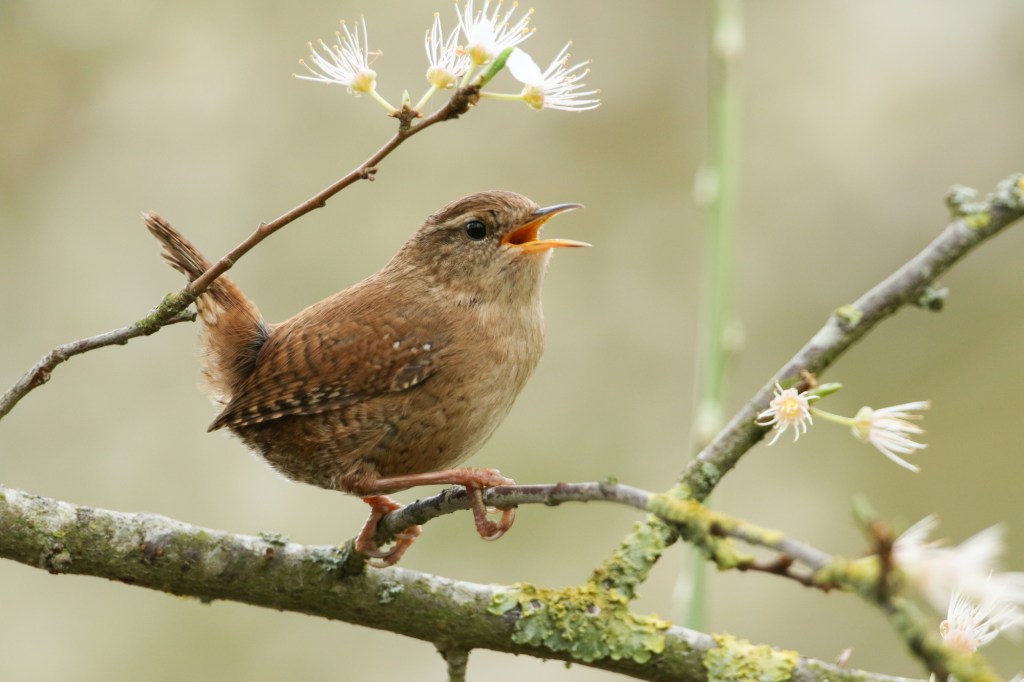
But being a naturalist is more than just a hobby – it’s a way of life that’s open to everyone. It’s about connecting with the world around us, fostering a deeper understanding of our planet, and experiencing the joy of discovery. And the best part? You don’t need a formal degree or expensive equipment to embark on this adventure. All you need is curiosity, a willingness to learn, and a desire to explore the wonders of nature.
Developing Your Observation Skills
The foundation of being a naturalist lies in honing your observation skills. After all, the natural world reveals its secrets to those who take the time to truly see, hear, and feel. It’s not about rushing through a forest or merely glancing at a flower; it’s about immersing yourself in the present moment and opening your senses to the subtle nuances of nature. By intentionally focusing your attention and engaging all of your senses, you’ll unlock a deeper appreciation for the intricate details and hidden wonders surrounding you and gain a richer understanding of the natural world.
Slow Down and Pay Attention
In our fast-paced lives, it’s easy to rush from one task to the next without truly experiencing the world around us. But the natural world invites a slower pace. Try strolling through a park or your neighborhood, leaving your phone behind and letting your mind wander. Or find a quiet spot to sit and simply observe.
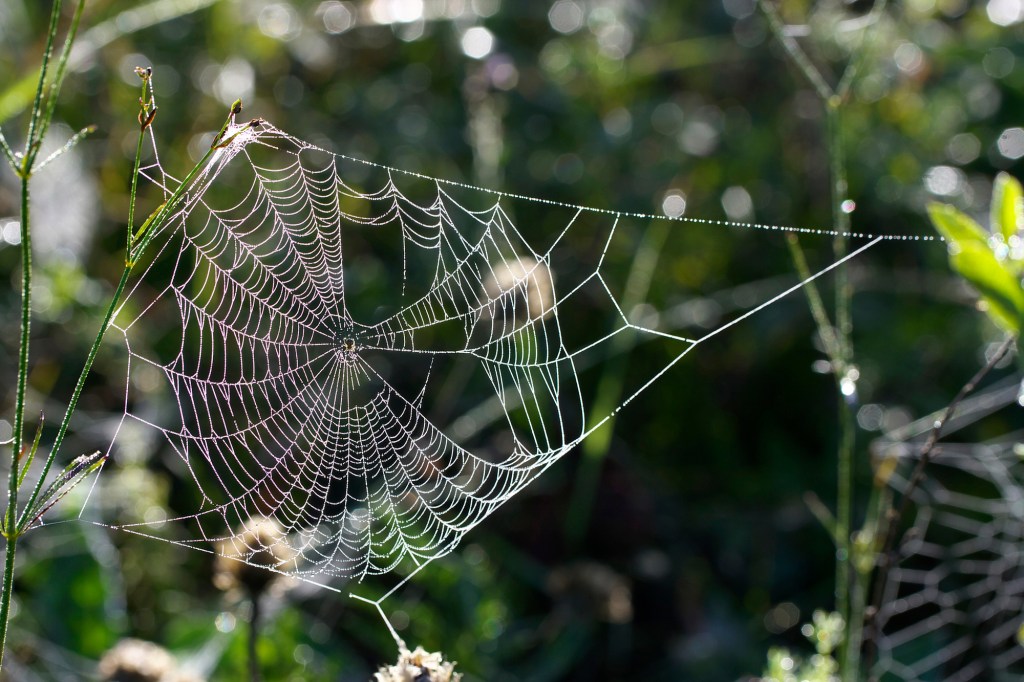
Notice the patterns of sunlight filtering through the leaves, the intricate details of a spider’s web, or the way a bee hovers over a flower. Pay attention to the subtle shifts in temperature, the gentle breeze against your skin, or the sounds of birdsong. By slowing down and immersing yourself in the present moment, you’ll discover a whole new dimension to the familiar landscapes you thought you knew.
Focus on All Senses
Being a naturalist isn’t just about what you see. It’s a full sensory experience. Listen to the wind rustling through leaves, the buzzing of insects, or the calls of frogs echoing through the wetlands. Feel the rough bark of an oak tree, the soft petals of a trillium, or the coolness of a moss-covered rock. Breathe in the earthy scent of the forest floor after a rain, the sweet fragrance of wildflowers, or the crisp air of a winter morning.
Each sense offers a unique window into the natural world. By engaging all of your senses, you’ll discover a symphony of sights, sounds, smells, textures, and even tastes (if you’re brave enough to try a wild berry!). Remember, the more senses you engage, the richer your experience will be.
Curiosity is Key
Curiosity is the driving force behind every naturalist’s journey. It compels us to ask “why?” and “how?” when we encounter something new or unusual in nature. Don’t be afraid to let your curiosity guide you. If you see a plant you don’t recognize, take a closer look. If you hear a bird singing, try to identify its song.
Ask questions about the natural world: Why are leaves different shapes? How do squirrels know where they buried their acorns? What kind of insect made that strange cocoon?
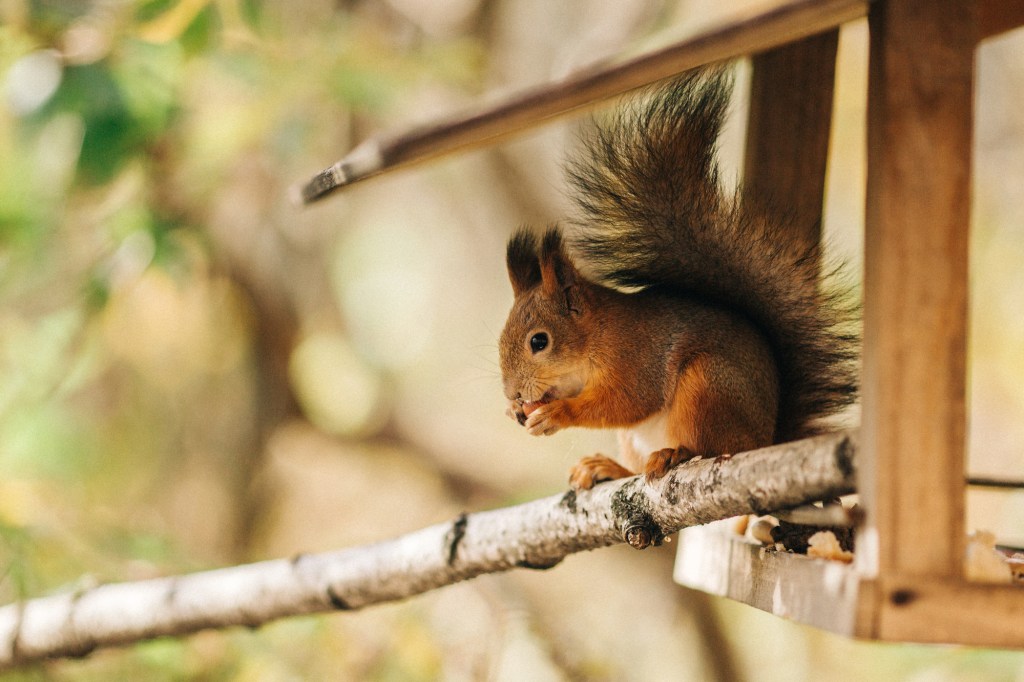
Not every question will have an immediate answer, and that’s okay. The joy of being a naturalist is in the pursuit of knowledge. Embrace the mystery, research your questions, and let your curiosity lead you to new discoveries and deeper understanding. Remember, every question you ask is a step further on your path to becoming a more knowledgeable and engaged naturalist.
Tools of the Trade
While you can observe nature with just your senses, a few simple tools can enhance your experience and help you delve deeper into the world around you.
Field Notebook and Pencil
A field notebook is your trusty companion for documenting your naturalist adventures. It’s a place to record observations, jot down questions, sketch interesting finds, and capture the essence of your encounters with nature. But not all notebooks are created equal.
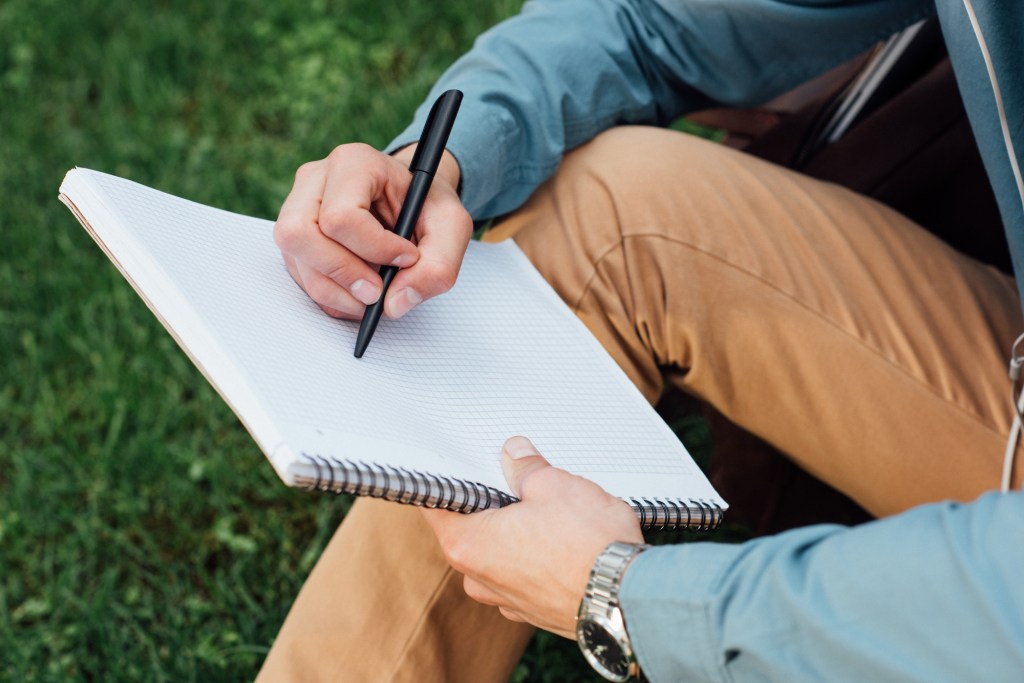
- Regular notebooks: These are perfect for quick notes and lists. Choose one that’s small enough to fit in a pocket or backpack.
- Sketchbooks: Hardback or spiral sketchbooks are ideal for capturing detailed drawings and illustrations. Look for ones with heavier paper that can handle different mediums.
- Watercolor notebooks: If you enjoy painting, a watercolor notebook allows you to capture the vibrant colors of nature in your artwork.
- Waterproof paper: If you plan to explore in damp or wet conditions, consider notebooks made with waterproof paper, like Rite in the Rain.
- Field notebook brands: Some companies, like Field Notes, specialize in field notebooks. They often offer features like durable covers, waterproof paper, and gridded or dotted pages.
As for writing implements, pencils are classic and reliable, but you can experiment with other options to add flair and detail to your notes:
- Pens: Choose waterproof or archival ink for longevity.
- Markers: Great for adding bold colors or highlights.
- Watercolor paint: Ideal for capturing the subtle hues of nature.
- Colored pencils: Offer a versatile range of colors and effects.
- Crayons: Fun and easy to use, especially for younger naturalists.

Ultimately, the best notebook and writing tools are the ones that inspire you to record your observations and express your creativity. Experiment with different options to find what works best for you.
Field Guides
Field guides are your naturalist’s encyclopedia, packed with detailed information and illustrations to help you identify the plants, animals, insects, and other natural wonders you encounter. Choose guides that are specific to your region and areas of interest. Some popular and well-regarded field guide series include:
- Peterson Field Guides: Known for their comprehensive coverage and detailed illustrations, Peterson guides cover a wide range of topics, from birds and mammals to trees and wildflowers.
- The Sibley Guide to Birds: This guide is a must-have for birdwatchers. It features detailed illustrations and descriptions of North American birds.
- Kaufman Field Guides: These guides are known for their user-friendly format and focus on identification tips and key characteristics.
- National Geographic Field Guides: Offering a visually stunning format, these guides cover various topics like birds, mammals, wildflowers, and insects.
- Audubon Society Field Guides: These guides often combine beautiful photographs with detailed information and identification tips.
Don’t be afraid to browse your local bookstore or library to find field guides that resonate with you. Many field guides are now available as apps, offering a convenient way to access information on the go.
Apps
Technology has revolutionized how we interact with nature, and many apps can now enhance your naturalist pursuits. These digital tools can help you identify species, track your observations, learn about local ecology, and connect with a community of fellow nature enthusiasts.
- iNaturalist: This app allows you to record your observations of plants and animals, share them with a community of naturalists, and get help with identification. It’s a fantastic way to learn about biodiversity and contribute to scientific research.
- Merlin Bird ID: Developed by the Cornell Lab of Ornithology, Merlin Bird ID helps you identify birds by sight and sound. You can answer a few simple questions about a bird you’ve seen or record its song to get a list of possible matches.
- Seek by iNaturalist: This is a great app for beginners. It helps you identify plants, animals, and fungi using image recognition technology. It’s a fun and interactive way to learn about nature.
- eBird: Another app from the Cornell Lab of Ornithology, eBird lets you track your bird sightings, explore bird distribution maps, and contribute your data to scientific research.
- PictureThis: This app uses AI-based image recognition to identify plants. It’s a helpful tool for learning about local flora and discovering new species.
These are just a few examples of the many apps available to naturalists. Explore different options and find the ones that best suit your interests and goals. With the right apps, your smartphone can become a powerful tool for understanding and appreciating the natural world.
Optional: Binoculars, Magnifying Glass, Camera
While not essential, these tools can greatly enhance your naturalist experience, allowing you to see details you might otherwise miss.
- Binoculars: Binoculars are a game-changer for birdwatching and observing wildlife from a distance. For beginners, consider a pair with 10x magnification and 42mm objective lenses, such as the Nikon Monarch M5 or the Vortex Diamondback HD. These offer a good balance of magnification, brightness, and portability.
- Magnifying Glass: A magnifying glass (or hand lens) is essential for examining the intricate details of insects, flowers, and other small natural wonders. Look for a lens with at least 10x magnification and a built-in light for optimal viewing.
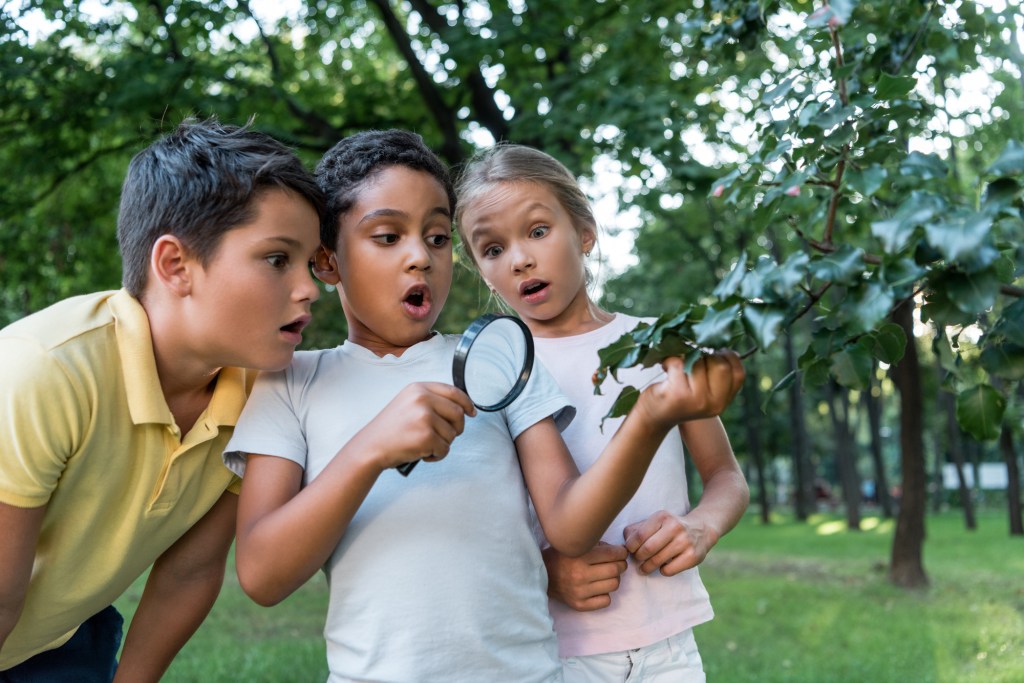
- Camera: A camera allows you to capture the beauty of nature and document your observations. Whether you use a smartphone, a point-and-shoot camera, or a DSLR, taking photos can help you identify species, track changes over time, and share your discoveries with others. If you’re interested in macro photography, consider investing in a macro lens to capture stunning close-up images of insects and flowers.
Observing and Taking Notes Like a Naturalist
The act of observing and recording your findings is a crucial part of being a naturalist. It not only helps you learn and remember but also allows you to contribute to our collective understanding of the natural world. Here’s how to get started:
- Choose Your Tools: Gather your field notebook, pencil (or other preferred writing tool), and any field guides or apps you might need.
- Find a Subject: Pick a specific plant, animal, or natural phenomenon to focus on. It could be a butterfly fluttering by, a cluster of mushrooms sprouting from a log, or the way sunlight plays on the surface of a pond.
- Observe Closely: Take your time and examine your subject from different angles. Note its size, shape, color, texture, and any other distinguishing features. If it’s an animal, observe its behavior—how it moves, what it eats, and how it interacts with its surroundings.
- Record Your Observations: Write down everything you notice, even seemingly insignificant details. Use descriptive language and sketches to capture the essence of your subject. Don’t worry about being an artist – even simple drawings can be helpful.
- Ask Questions: As you observe, questions will naturally arise. Write them down in your notebook. Later, you can research the answers or discuss your questions with other naturalists.
- Repeat: The more you practice observing and recording, the better you’ll become at it. Challenge yourself to focus on different subjects and try new ways of documenting your findings.
Remember, the goal is not to become an expert overnight. It’s to cultivate a sense of wonder, curiosity, and appreciation for the natural world. By consistently observing and recording your findings, you’ll deepen your connection with nature and become a more knowledgeable and engaged naturalist.
Conclusion
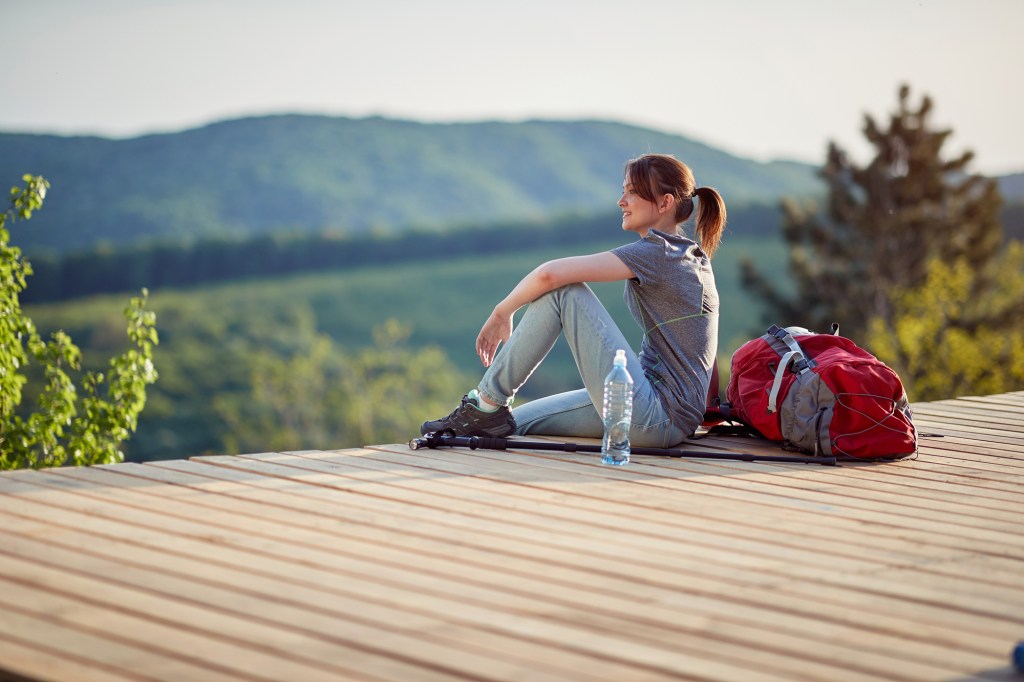
Becoming an amateur naturalist is an invitation to embrace wonder, curiosity, and a deeper connection with the world around you. Whether you start by observing the birds in your backyard or exploring a nearby park, every step you take is a step toward a richer, more meaningful life. Remember, even the smallest observations are valuable, and a naturalist’s journey is a lifelong adventure.
So, grab your notebook, lace up your hiking boots, and start exploring! The natural world is waiting to be discovered.

 Earth Notebook
Leave a comment