
When we think of cities, images of towering skyscrapers, bustling streets, and endless concrete often dominate our minds. We might picture a “concrete jungle” devoid of the natural world. Yet, a closer look reveals a surprising truth: our urban ecosystems are full of life, showcasing unique adaptations, intricate processes, and opportunities for a more sustainable future.

While it’s true that our expanding urban centers have fragmented habitats and presented challenges to wildlife, they have not eradicated life in the city. From rooftop gardens buzzing with pollinators to tenacious plants taking root in sidewalk cracks, the urban landscape is a testament to nature’s resilience and adaptability. Concealed within the steel and concrete, a network of microhabitats supports a remarkable variety of life—a testament to the indomitable spirit of nature in a human-dominated world.
Hidden Habitats in the Urban Landscape
The expansion of cities has indeed fragmented natural habitats, but it’s important to note that it hasn’t erased them entirely. Within the steel and concrete, pockets of greenery and surprising microhabitats continue to support a range of life. This coexistence of nature and urban development is a reassuring sign that we can create sustainable, livable cities.
Green Roofs and Living Walls
Contrary to the perception of simple concrete expanses, cityscapes are now adorned with rooftop gardens and vibrant living walls. These deliberate incorporations of nature bring a multitude of benefits. Green roofs—where vegetation blankets a specially designed rooftop—offer more than just a visual enhancement. They function as miniature ecosystems, providing habitats for birds like the endangered black redstart in London and a plethora of pollinator species. These green sanctuaries also help counter the urban heat island effect, absorb rainwater, and enhance air quality. Noteworthy instances include the California Academy of Sciences in San Francisco, with its rolling green roof, and Bosco Verticale, the vertical forest apartment towers in Milan, Italy.
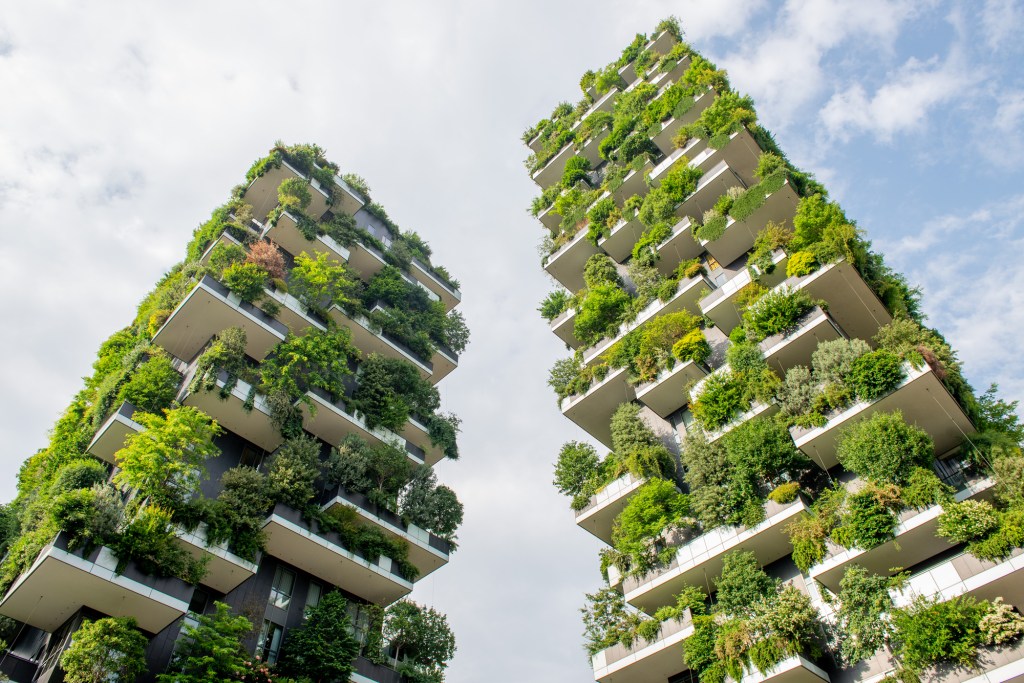
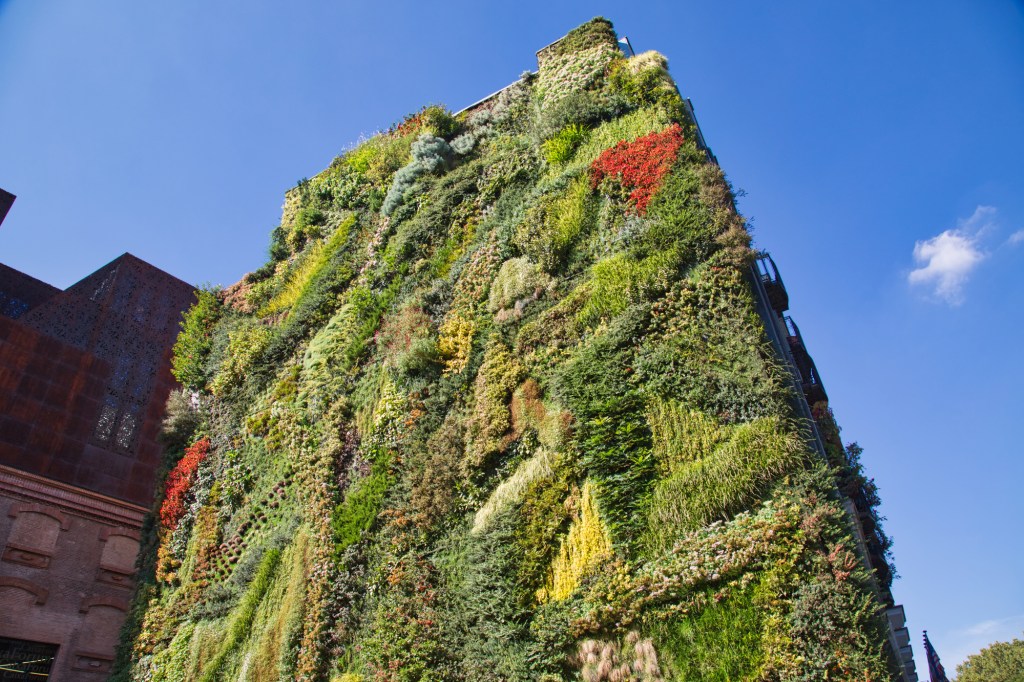
Living walls, also known as vertical gardens, transform building facades into thriving ecosystems. Plants are rooted in modular systems with specialized irrigation and offer havens for insects and birds. Beyond their ecological benefits, living walls provide urban insulation, reduce noise, and transform dull concrete into captivating living art. Some notable examples include the CaixaForum Museum Vertical Garden in Madrid, Spain, with its tapestry of cascading plants, and London’s largest living wall at The Rubens at the Palace Hotel in London.
Urban Parks and Gardens
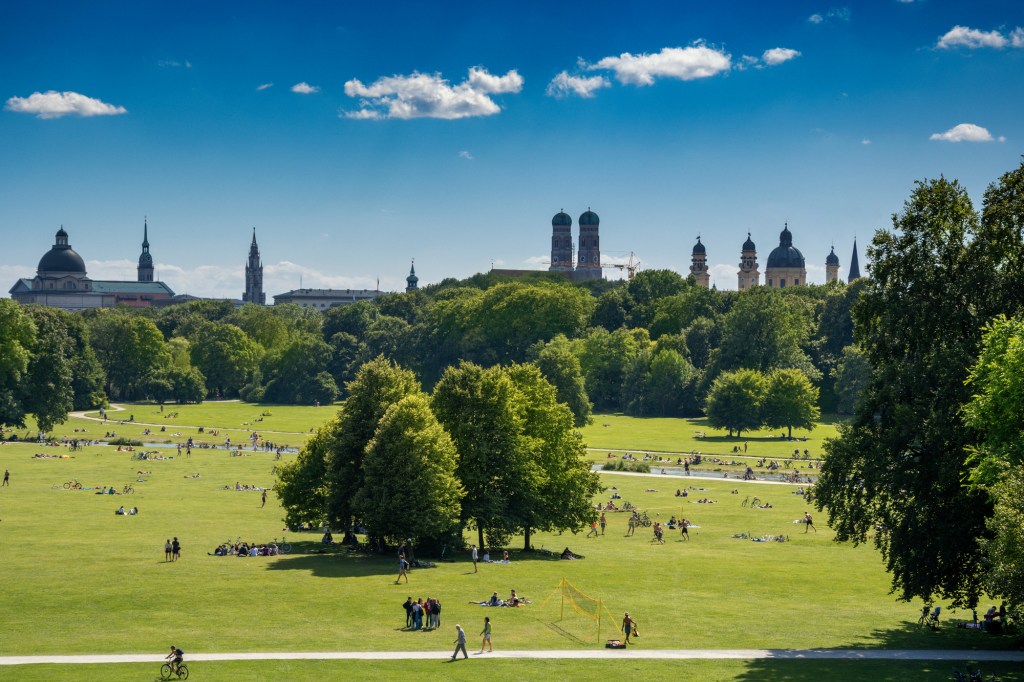
Even within the densest urban areas, parks and gardens serve as vital oases of nature. These green spaces, whether sprawling public parks or small community gardens, play a crucial role in supporting urban biodiversity. Large parks like New York City’s Central Park or the Englischer Garten in Munich, Germany, provide essential habitat corridors for various birds, mammals, and migrating species. They also offer city residents a chance to reconnect with nature, improving mental and physical health.
Smaller-scale community gardens and urban farms also have a significant impact. These cultivated patches transform underutilized spaces into thriving microhabitats. They provide a welcome food source for pollinators and foster a sense of food security and community connection. Notable examples include the Denver Urban Gardens network and Prinzessinnengarten in Berlin, Germany, a vibrant urban garden built on a former wasteland.

Sidewalks and Cracks
The most unassuming corners of the urban landscape can burst with surprising life. Sidewalk cracks, overlooked and often dismissed as imperfections, harbor a tenacity for survival. Hardy plants like dandelions, mosses, and even tiny ferns take root in the tiniest spaces. These resilient colonizers create microhabitats supporting a surprising array of invertebrates like ants, spiders, and beetles. They form miniature ecosystems within the concrete sprawl, serving as a testament to nature’s ability to find a foothold.
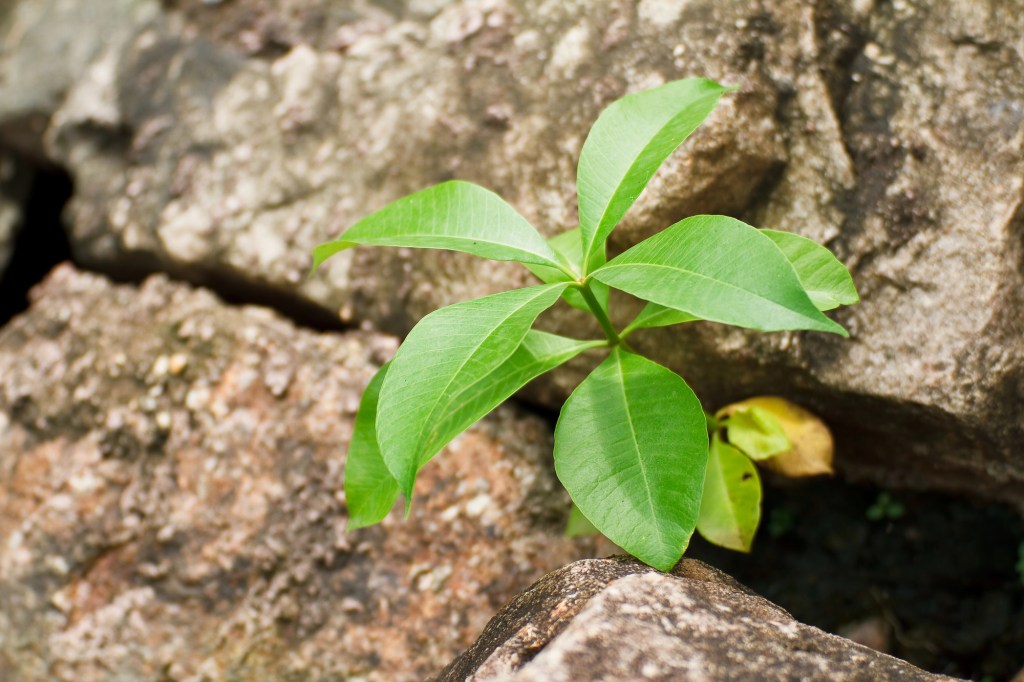
These seemingly barren crevices also play a role in the larger urban ecosystem. They absorb small amounts of rainwater, helping reduce runoff. The vegetation also modestly contributes to air purification and carbon sequestration. Paying attention to these overlooked ecosystems reminds us that nature can thrive even in the most unexpected places. Think of the sidewalk plants as urban pioneers, reminding us of the power of life to persist, adapt, and find a way to flourish.
Urban Wildlife: Who Are Your City Neighbors?
Cities aren’t the barren ecosystems we might sometimes imagine. Wildlife has found incredible ways to adapt, creating niche populations that thrive alongside humans and demonstrate remarkable resourcefulness.
Opportunistic Feeders
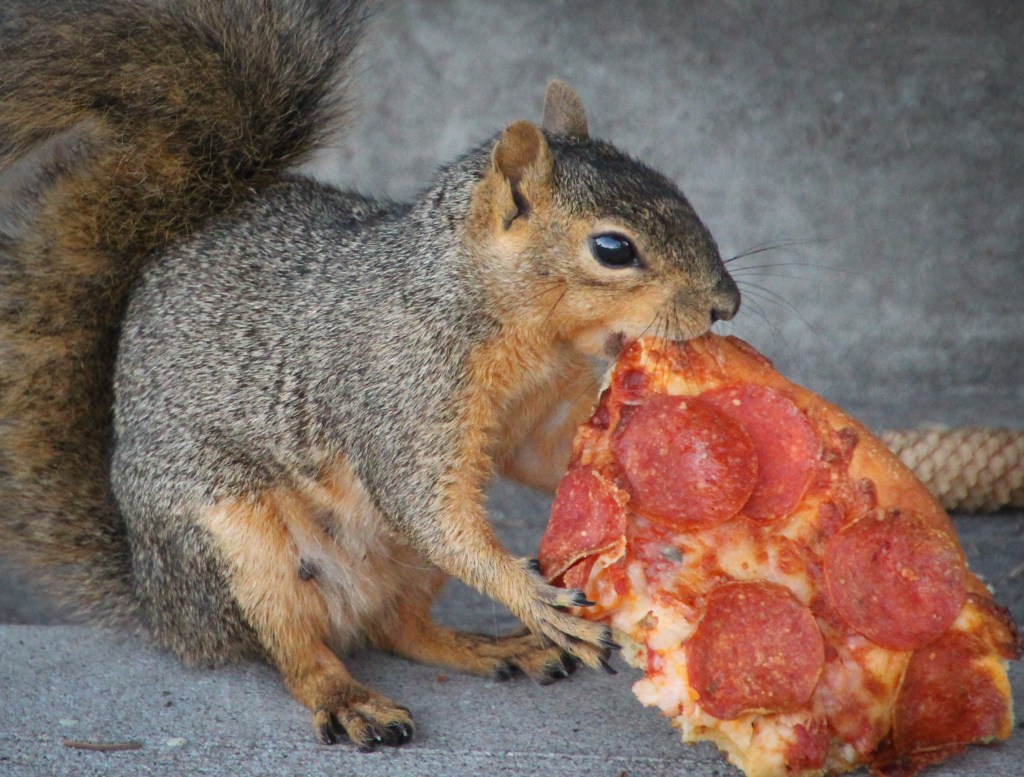
Pigeons, raccoons, squirrels – these quintessential city dwellers have mastered the art of exploiting our leftovers and waste. These opportunistic feeders are remarkably adaptable, expanding their diets to include everything from pizza crusts to discarded takeout containers. While some might view them as pests, these survivors are a testament to nature’s ability to find a niche in human-dominated environments.
Their success comes with a cost. Reliance on human food can disrupt natural behaviors and make urban populations vulnerable to sudden changes in food availability. Yet, their adaptability underscores the flexibility of life and our responsibility to manage our waste in a way that minimizes negative impacts on wildlife.
Adaptable Birds
The urban landscape might seem an unlikely place for birds, but a range of species have not only adapted but thrive in the city. Some, like house sparrows and starlings, are generalists who easily find food and shelter in a human-modified environment. Others show remarkable innovation in how they use our structures.
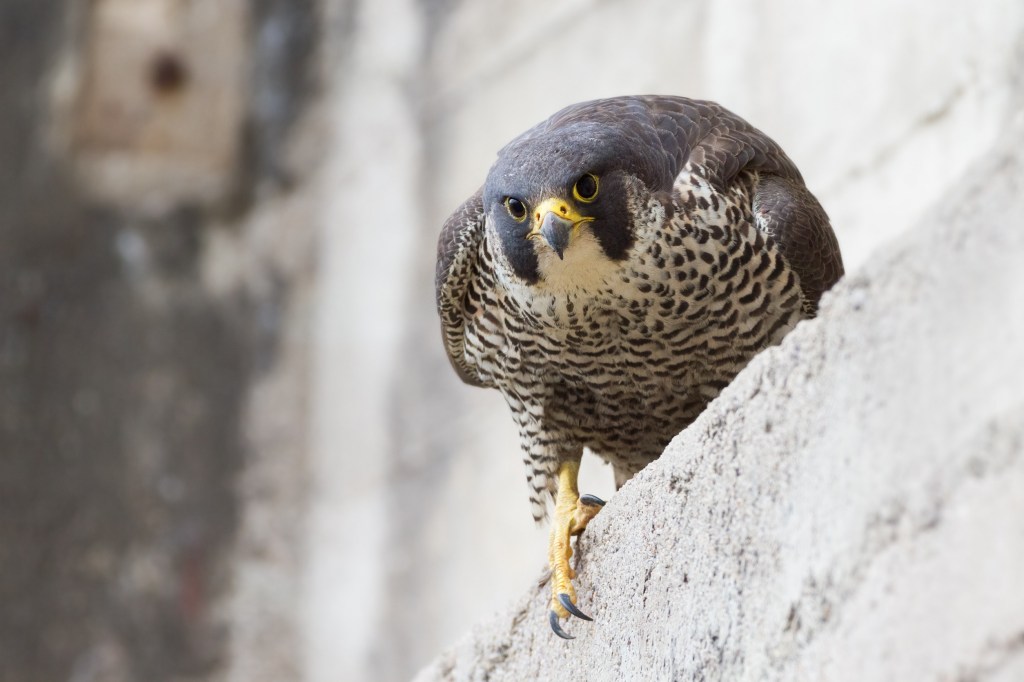
Peregrine falcons, the world’s fastest animals, have found a surprising home in cities. Tall skyscrapers, churches, and bridges mimic the cliffside habitats they naturally favor for nesting and hunting. These urban hunters take advantage of the high vantage points to swoop down on prey, primarily pigeons and other birds, in an impressive display of speed and agility. Cities like New York and Chicago have thriving populations of peregrine falcons and other raptors, a sign that urban environments can support even specialized predators given the right conditions.
Unexpected Dwellers
Some of the most fascinating urban wildlife are those we rarely see. Cities offer surprising niches for creatures that thrive in the shadows and hidden corners of our buildings and infrastructure.
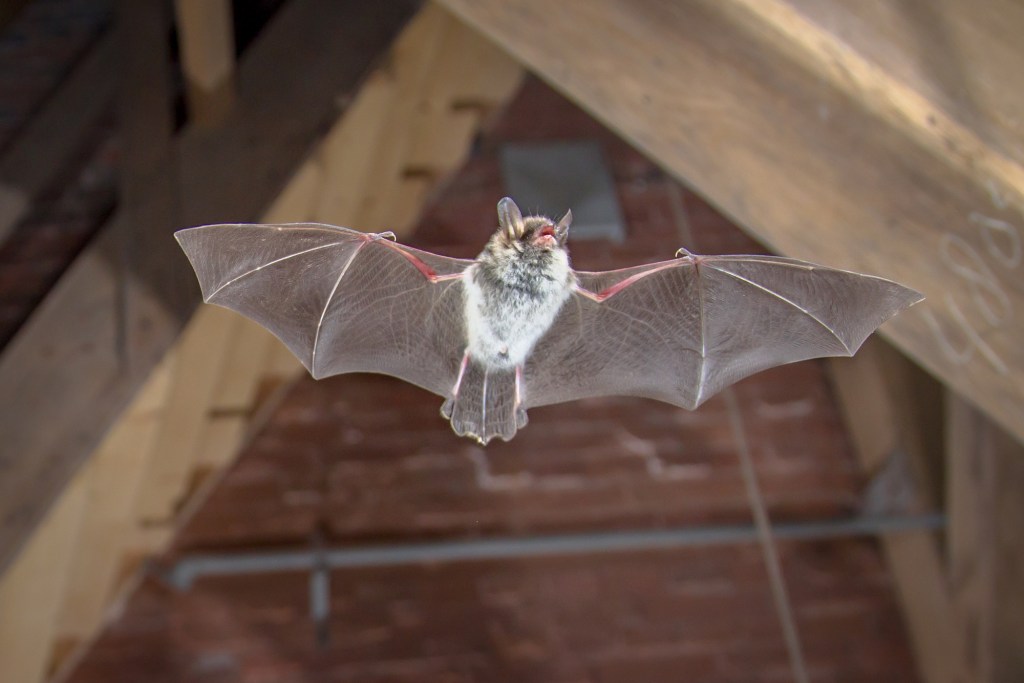
Bats are a prime example. Often maligned, bats play a crucial role in urban ecosystems by consuming large quantities of insects, including mosquitoes. Many bat species find suitable roosting sites in older buildings, attics, and bridges. Their presence acts as a natural pest control service and adds another layer of complexity to the urban ecosystem.
Other creatures find shelter in the city, too. Urban foxes, especially in European cities, have become nocturnal scavengers, avoiding contact with humans but making the most of food resources in parks, gardens, and around trash bins. Even less noticed species, like some spiders and moths, have urban populations specially adapted to artificial light cycles and urban food sources.
These creatures aren’t just surviving; they are integral parts of the urban ecosystem. They pollinate plants, disperse seeds, and play a role in keeping pest populations in check.
Beyond Wildlife: The Urban Ecosystem
An ecosystem consists of all an area’s living (biotic) and non-living (abiotic) components and how they interact. Urban development doesn’t just impact individual plant and animal species – it fundamentally transforms entire ecosystems. Cities create their own unique environments with far-reaching consequences.
Urban Heat Island Effect
The urban heat island effect is a clear example of how cities alter their environment. Paved surfaces, dark roofs, and buildings absorb and retain significantly more heat than natural landscapes. This makes cities several degrees warmer than surrounding areas, especially at night. The effect exacerbates heat waves, increases energy demands for cooling, and contributes to air pollution, negatively impacting public health.
Research across major U.S. cities has documented the urban heat island effect and quantified its severity. Studies by organizations like the U.S. Environmental Protection Agency (EPA) have highlighted the difference in temperature between urban cores and surrounding areas, emphasizing the importance of mitigation strategies. Efforts like planting trees, creating green spaces, and using lighter-colored, reflective materials for buildings and streets can help combat this phenomenon.
Stormwater Management
Traditional urban design, with its emphasis on impervious surfaces, creates a significant water management issue. When rain falls on concrete, asphalt, and rooftops, it cannot naturally infiltrate into the ground. Instead, this stormwater runoff picks up pollutants like oil, chemicals, and trash and rushes into storm drains. This overwhelming flow often exceeds the capacity of sewer systems, leading to polluted overflows directly into waterways, harming aquatic life and degrading water quality.
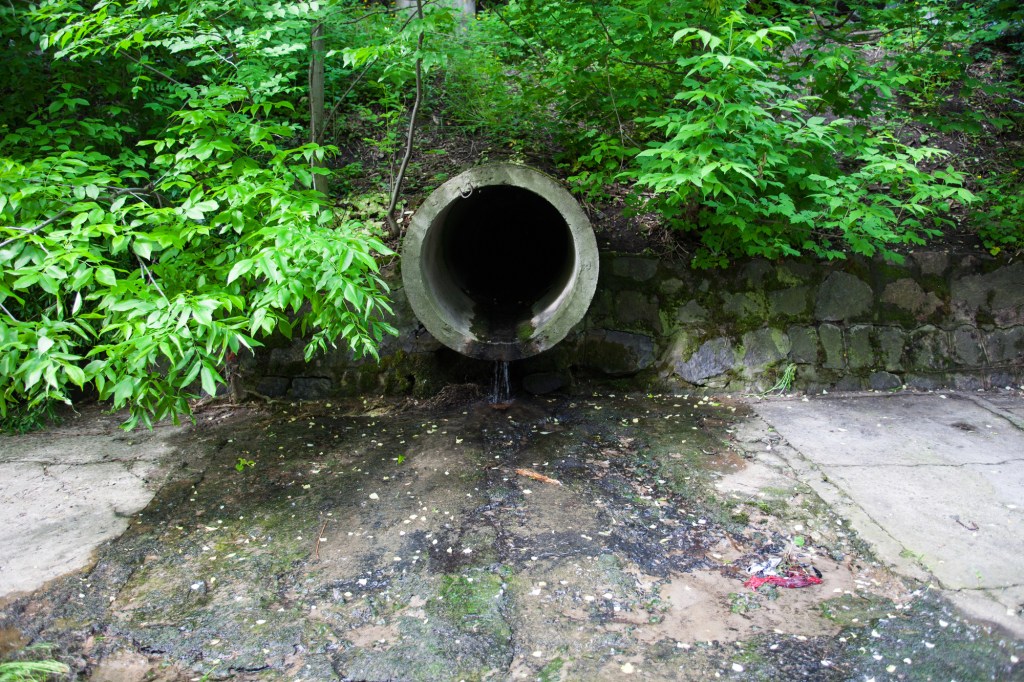
Studies by institutions like the United States Geological Survey (USGS) have quantified the extent of urban stormwater pollution. Projects like Portland, Oregon’s innovative Grey-to-Green initiative demonstrate the effectiveness of nature-based solutions. The city has invested in green streets, bioswales, and rain gardens, significantly reducing polluted runoff and creating more vibrant urban spaces. [Include links to the USGS study on urban stormwater and a resource on Portland’s grey-to-green initiative].
Resource Demands
Cities concentrate not only people but also the demand for resources like energy, water, food, and materials. A city’s ecological footprint can extend far beyond its geographic boundaries. Supplying urban areas with these resources strains natural systems and contributes to global environmental challenges like deforestation, water scarcity, and climate change.
Research by organizations like the Global Footprint Network highlights the disproportionate resource use in urban areas compared to rural ones. Large cities often have ecological footprints several times greater than their physical size, demonstrating the extent to which they rely on resources sourced from around the globe. Initiatives focused on sustainable sourcing of materials, energy-efficient buildings, and more localized food production are crucial steps towards reducing cities’ environmental impact and promoting responsible resource use.

Explore Your Urban Jungle
Far from being devoid of life, our cities are dynamic ecosystems where humans and nature intertwine. Hidden amongst the steel and concrete are diverse pockets of greenery, adaptable wildlife, and a testament to nature’s resilience. Open your eyes to the unexpected biodiversity around you – the flowers blooming in a sidewalk crack, the birdsong filtering down from a rooftop, the flurry of insect activity in a tiny park.
Take your discovery one step further and become a citizen scientist! Websites and apps like iNaturalist allow you to document the plants and animals you find, contributing to valuable data about urban nature. Seek out your local parks, nature preserves within the city, or even community gardens. Embrace the opportunity to learn about the intricate web of life thriving within your urban environment and help science at the same time. The next time you navigate your city, you’ll do so with a newfound appreciation for the urban jungle, all it has to offer, and your role as an explorer and contributor to our understanding.

 Earth Notebook
Leave a comment