
Have you ever gazed at the stars and wondered about the vastness of space? Or perhaps you’ve noticed patterns in the behavior of birds in your backyard and felt a spark of curiosity? Imagine channeling that curiosity into real-world scientific research—this is the essence of citizen science. Citizen science allows everyday people like you to contribute to scientific discovery, regardless of your background or expertise.

Welcome to the exciting world of citizen science, where collective curiosity fuels progress and helps solve some of our planet’s most pressing issues. This article will explore what citizen science is, delve into its profound impact, and explain how you can become an active participant. Whether you’re a nature enthusiast, a technology geek, or simply someone who loves to learn, citizen science has a place for you. Join me as we uncover the power of community in science and how it’s reshaping our understanding of the world.
What is Citizen Science?
Citizen science bridges the gap between everyday curiosity and professional scientific research. It involves individuals like you participating actively in scientific projects—from observing local wildlife to analyzing data for space research. Here is a breakdown of the key components of citizen science, its methodologies, and how it integrates into the broader scientific community.
Inclusive Participation
Citizen science thrives on inclusivity, allowing people from all walks of life to engage in scientific inquiry. Whether you’re a retiree monitoring bird migrations, a student collecting environmental data, or a tech enthusiast coding data analysis tools, your contributions are valuable. This inclusive approach helps diversify scientific research and brings a wide range of perspectives to complex questions.
Collaborative Projects
Most citizen science projects are collaborative by nature. They often involve partnerships between scientists and volunteers, leveraging the strengths of both groups. Scientists provide the framework, objectives, and methodologies, while volunteers contribute their time, effort, and local knowledge. This synergy enhances the scope and impact of research, making large-scale data collection and analysis feasible.

Real-World Impact
The data and insights generated by citizen scientists play a crucial role in advancing our understanding of the world. These projects often lead to important discoveries, influence policy decisions, and foster a greater community appreciation for science. The real-world impact of these projects demonstrates the power of collective effort and is a key motivator for many participants.
Citizen science is more than a hobby or a simple pastime; it is a significant form of scientific engagement that democratizes research and empowers individuals to contribute to meaningful scientific outcomes. By participating in these projects, you help push the boundaries of what we know and can achieve together.
Why Citizen Science Matters
In an era where scientific research often seems distant and complex, citizen science offers a bridge connecting the general public to the core of discovery and innovation. This unique form of collaboration between professionals and volunteers accelerates scientific research and deepens societal engagement with the scientific world. These implications are profound, touching on everything from environmental monitoring to healthcare, technology to social sciences. Citizen science has the capacity to harness the collective power of community observers, data collectors, and problem solvers, thereby extending the reach and capabilities of traditional research methodologies.
Scientific Research Advancement
Citizen science can make significant contributions to advancing scientific research. Engaging a large network of non-professional scientists allows for data collection and analysis on a large scale that individual researchers or small teams find unachievable. This is particularly vital in fields such as environmental monitoring, astronomy, and biology, where large datasets and widespread geographical coverage are crucial. Citizen scientists play an integral role in gathering extensive data, which helps track climate change, monitor biodiversity, or even discover new celestial phenomena.
Moreover, this collaborative model accelerates the pace of scientific discovery. With more people power, research that might take years can be conducted in a fraction of the time. This rapid gathering of reliable data leads to quicker validations and refinements of scientific theories and models. Citizen science projects also foster innovation by incorporating diverse perspectives and approaches, often leading to unexpected insights and breakthroughs that propel scientific fields forward.
Educational Benefits
Citizen science uniquely combines learning with action, providing participants an immersive educational experience. Volunteers engage directly with scientific methodologies, gaining a firsthand understanding of data collection, analysis, and experimentation. This hands-on involvement cultivates a deeper comprehension of scientific principles and enhances critical thinking and problem-solving skills. It’s an invaluable educational opportunity for students and participants of all ages, promoting lifelong learning and curiosity.
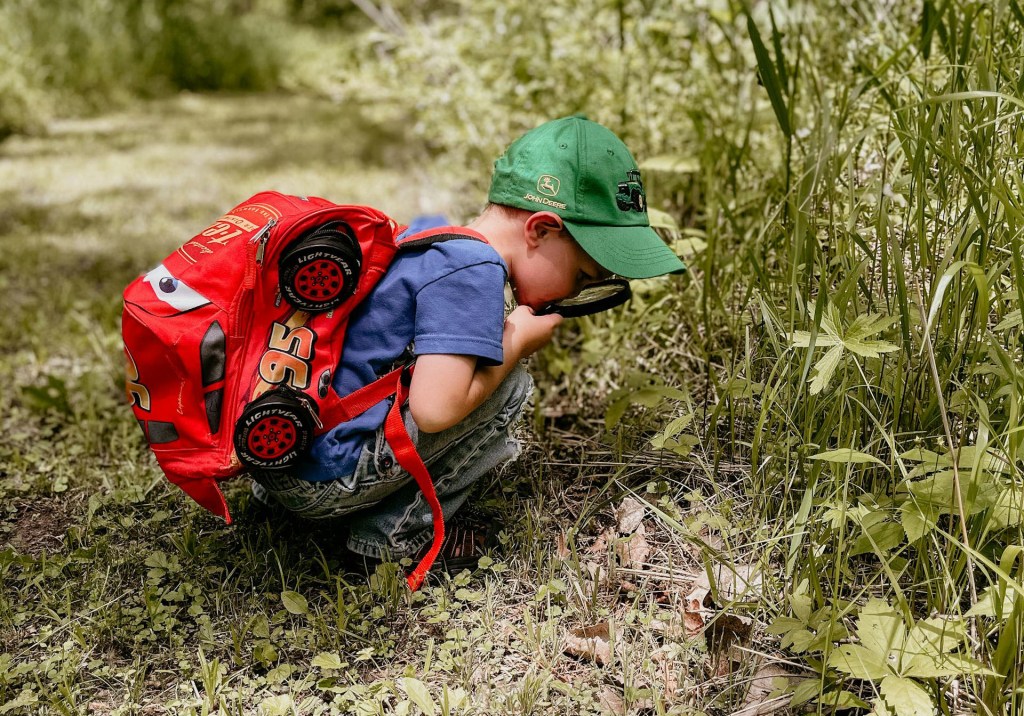
Participating in citizen science projects also helps demystify science, making it more accessible and relatable. It bridges the gap between abstract concepts and real-world applications, allowing people to see the tangible effects of scientific work. This approach educates individuals and builds a more scientifically literate society. As volunteers share their experiences within their communities, they raise awareness about scientific issues and encourage others to take an interest in science, thus expanding the educational impact beyond the individual participants.
Community and Environmental Impact
Citizen science projects often have profound effects on communities and the environment, creating a direct path for individuals to make a significant impact. These projects contribute to scientific research and empower communities to address local environmental and social issues. For example, projects focused on water quality, air pollution, or urban biodiversity allow residents to monitor and advocate for healthier environments. This active participation fosters a sense of ownership and responsibility, encouraging community members to implement and support sustainable practices.

Moreover, the data collected by citizen scientists frequently informs policy decisions and conservation efforts. Local governments and organizations use these insights to better understand environmental challenges and develop more effective resource management and protection strategies. This leads to improved environmental outcomes and enhances community resilience against environmental threats. Citizen science strengthens community ties and promotes a broader commitment to environmental stewardship by connecting people with their local ecosystems.
Getting Involved: How to Participate in Citizen Science
Embarking on your journey into citizen science can be both exciting and transformative. Whether you’re driven by a passion for nature, a curiosity about the stars, or a desire to contribute to societal advancement, citizen science offers a multitude of opportunities to engage with real-world research initiatives. This section will guide you through the steps to find and participate in projects that pique your interest and fit your lifestyle and abilities. From local environmental surveys to global digital collaborations, the spectrum of projects available means there is something for everyone.
Getting involved in citizen science is more straightforward than you might think. Many projects require no previous experience or specialized equipment, making them accessible to a wide audience. This inclusivity is one of the strengths of citizen science, as it harnesses the diverse perspectives and skills of people from all walks of life. Here, we will explore how to locate suitable projects, what to expect when you participate, and the types of contributions you might make. By taking part, not only do you advance scientific knowledge, but you also join a global community of curious and engaged citizens. This is your chance to turn your curiosity into impact, where your observations and actions contribute directly to the broader goals of scientific research and community well-being.
Discovering Projects That Match Your Interests
The first step to becoming a citizen scientist is finding a project that resonates with your passions. Whether you’re fascinated by the cosmos, passionate about wildlife, or concerned about climate change, there’s a project waiting for your contribution.
- Online Platforms: Start by exploring popular citizen science platforms. Websites like Zooniverse offer a wide array of projects across various disciplines, from astronomy to zoology. Another excellent resource is SciStarter, where you can search for projects by topic, location, or the type of activity involved. See the links at the end of the article for more resources.
- Local Opportunities: Check with local nature centers, museums, and environmental organizations. Many offer citizen science programs that require volunteers to collect data and perform other tasks. This is a great way to connect with your community while contributing to science.
Preparing to Participate
Once you’ve chosen a project, preparing adequately can help you maximize your contribution and enjoy the experience.
- Understand the Requirements: Some projects might require specific skills, tools, or a time commitment. Make sure you know what’s expected before you start. Most projects will provide training materials or introductory sessions—take advantage of these resources to ensure you’re well-prepared.
- Equipment and Tools: Depending on the project, you may need certain tools, from simple things like a smartphone or computer to more specific equipment like water testing kits or binoculars. Some projects may provide equipment, or you might need to acquire it yourself.
Making a Meaningful Impact
Your active participation is crucial for gathering data and advancing research. Here’s how you can ensure your involvement is impactful:
- Be Consistent and Accurate: The value of citizen science often hinges on the quality and consistency of the data collected. Follow the project guidelines closely and commit to providing accurate and reliable data.
- Stay Engaged: Many projects benefit from long-term involvement, so consider sticking with a project over time. This allows you to see the progression of the research and understand your impact better.
- Share Your Experience: Spread the word about your participation. Sharing your experiences can inspire others to join and support citizen science initiatives, amplifying the collective impact.
By participating, you’ll contribute to scientific research and join a global community of curious minds and passionate hearts.
Taking the Next Steps
Citizen science is more than a means of participating in scientific research; it’s a dynamic movement that empowers individuals to engage directly with science, fostering personal growth, community involvement, and significant societal impact. Contributing to citizen science projects gives you a deeper understanding of the world around you and helps drive the scientific community forward. This form of science democratizes research, making it accessible and inclusive, allowing people from all walks of life to contribute to meaningful discoveries and innovations.
The benefits of citizen science extend far beyond individual achievements. They ripple out into the community, enhancing environmental awareness and promoting public health. They inform policy decisions, contribute to the preservation of biodiversity, and foster sustainable practices. Your participation helps shape a future where science is open and collaborative, where your observations and insights have the power to influence major scientific, environmental, and social outcomes.
As we conclude, remember that your involvement in citizen science can start small but think big. Whether you’re cataloging local wildlife, measuring air quality, or contributing to global databases from your backyard, each effort counts. Citizen science offers the satisfaction of contributing to real-world solutions and connects you with a global community of like-minded individuals passionate about making a difference. Embrace the opportunity to transform your curiosity into impactful action.
Use the links below to explore citizen science projects today and become a part of something bigger than yourself.
1. Zooniverse is the world’s largest and most popular platform for people-powered research, with projects covering a wide range of disciplines.
2. SciStarter is a comprehensive website for finding, joining, and contributing to science through more than 3,000 formal and informal research projects and events.
3. iNaturalist is a social network of naturalists, citizen scientists, and biologists built on the concept of mapping and sharing observations of biodiversity across the globe.
4. CitizenScience.gov is an official government website that provides tools, resources, and information for conducting or participating in citizen science projects in the United States.
5. CitSci.org is a platform designed to support data collection and community engagement for researchers, public agencies, and NGOs conducting community science.
6. eBird is a project of the Cornell Lab of Ornithology that utilizes citizen scientists to collect data on bird sightings to better understand avian distribution and abundance.
7. Project Noah is an educational platform focused on wildlife documentation that helps people reconnect with nature and offers tools to explore and document wildlife around them.
8. Foldit is a revolutionary crowdsourcing computer game enabling players to contribute to important scientific research in protein folding, computational biology, and biochemistry.
9. GLOBE Observer is an international network of citizen scientists who work with researchers and scientists to learn more about our shared environment and changing climate.
10. Open Air Laboratories (OPAL) is a UK-based initiative that allows people of all ages and abilities to get outside and engage in scientific research by providing surveys and resources for observing the environment.

 Earth Notebook
Leave a comment